What to Know About Bulky Waste Permits Ealing Council
If you are trying to clear a sofa, mattress, wardrobe, broken appliance, or a small mountain of household clutter, the phrase bulky waste permits Ealing Council can sound more complicated than it really is. The main question is usually simple: do you need permission, or can you arrange disposal another way without creating extra hassle? In practice, the answer depends on what you are moving, how much of it there is, and whether the waste will sit on public land at any point.
This guide breaks it down in plain English. We will look at how bulky waste permits usually work, why they matter, the common mistakes people make, and the smarter options if you want the job done cleanly and legally. If you are already comparing clearance routes, it can also help to understand related services such as waste removal, furniture disposal, or a broader home clearance.
Truth be told, bulky waste is one of those things people leave too long. Then suddenly the hallway is blocked, the lift is awkward, and someone's looking at the front garden stack thinking, "Right, this needs sorting today." Fair enough. Let's get it sorted properly.
- Why bulky waste permits matter
- How bulky waste permits usually work
- Key benefits and practical advantages
- Who this is for and when it makes sense
- Step-by-step guidance
- Expert tips for better results
- Common mistakes to avoid
- Tools, resources and recommendations
- Law, compliance and best practice
- Options and comparison table
- Real-world example
- Practical checklist
- Conclusion
- Frequently asked questions
Why What to Know About Bulky Waste Permits Ealing Council Matters
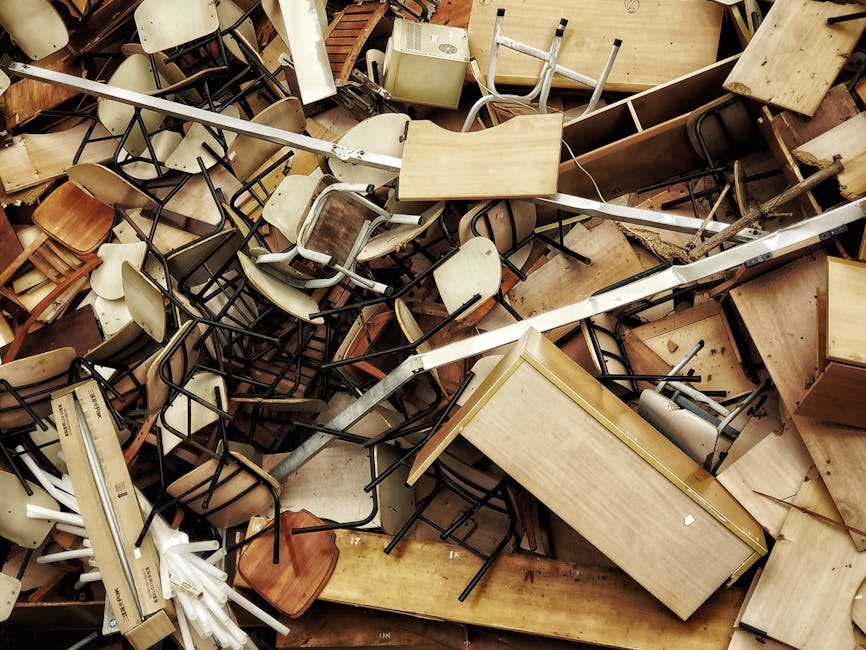
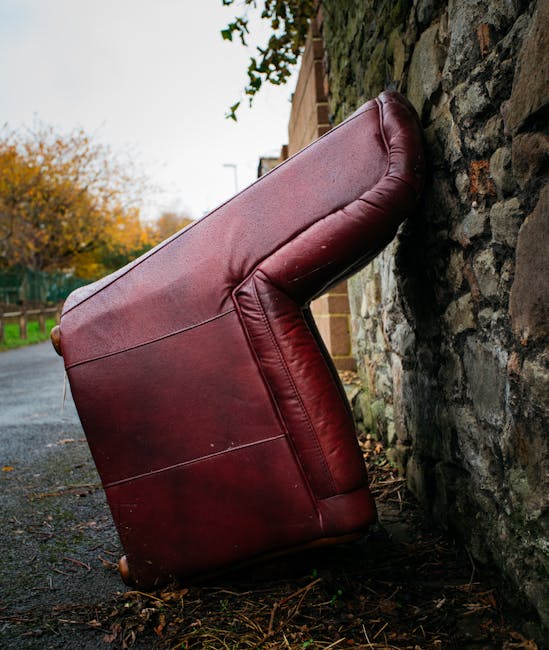
Bulky waste is not just "big rubbish." It usually means items that are too large, awkward, or heavy for a normal household bin collection. Think sofas, beds, wardrobes, tables, exercise equipment, white goods, garden furniture, and mixed items from a garage or loft. In a London borough like Ealing, the details matter because public streets, shared forecourts, and tight access routes can make disposal more sensitive than people expect.
The permit question matters for three main reasons. First, if you place a skip, container, or waste pile on a public road or pavement, permission is often involved. Second, if you hire someone to remove waste, you want to know whether they are handling it lawfully and safely. Third, a misunderstanding can lead to delays, extra charges, or a job that has to be repeated. Nobody wants that, especially when the rain is coming in sideways and the item you need gone is already leaning dangerously near the stairwell.
There is also a practical side. Getting the right approach early can save time, reduce stress, and stop waste from becoming a neighbour dispute. A tidy, predictable process is always easier than an improvised one.
How What to Know About Bulky Waste Permits Ealing Council Works
At a high level, bulky waste permits are about permission and responsibility. If your bulky items are being removed from private property, the process is usually straightforward. If the waste, vehicle, or container needs to occupy public land, permission may be required. The exact route depends on the method you choose.
Here is the simplest way to think about it:
- Private driveway or garden: often the easiest option, because the waste stays on private land.
- Street placement: more likely to require a permit or formal approval.
- Collection by a clearance team: usually handled through the service provider, but you still need to check access and item type.
- Skip hire or container use: typically the situation where permits become most relevant.
For many residents, the real issue is not the permit itself. It is access. Can a truck stop safely? Will the item pass through a narrow stairwell? Is there parking outside? Will the lift take the weight? These details sound small until you are standing there with a dismantled wardrobe and one awkward screw that seems to have become the centre of the universe.
If your bulky waste is part of a bigger clear-out, a service like flat clearance, house clearance, or garage clearance may be more efficient than arranging item-by-item disposal. That is especially true when the waste is mixed, heavy, or difficult to separate cleanly.
Key Benefits and Practical Advantages
Knowing how bulky waste permits work is not just about avoiding trouble. It can make the whole job calmer and cheaper in the long run.
- Fewer delays: you are less likely to have waste sitting around waiting for permission or the wrong collection slot.
- Better safety: bulky items are awkward. A clear plan reduces the chance of dropped furniture, scratched floors, or injury.
- Cleaner access: organised collection is easier for neighbours, building managers, and anyone moving through shared spaces.
- More predictable costs: when you understand what needs permission and what does not, pricing becomes easier to compare.
- Lower compliance risk: you are less likely to end up with unlawful dumping or a contractor who cannot prove proper handling.
There is also a quieter benefit: peace of mind. Once you know the rules, you stop second-guessing every box, bed frame, and broken chair. That alone can be worth a lot.
Expert summary: for most people, the best approach is to confirm whether the waste will touch public land, check item restrictions, and choose the collection method that keeps the process simplest. If you need a specialist team for furniture-heavy jobs, furniture clearance or mattress and sofa disposal may be more practical than a general "throw it all out" plan.
Who This Is For and When It Makes Sense
This topic is relevant to a lot of people, not just landlords or property managers. In our experience, it comes up whenever a home, flat, office, or storage space has reached that slightly embarrassing stage where one more item would make the whole place feel full.
You may need to understand bulky waste permits if you are:
- clearing out a flat with limited lift or stair access
- disposing of a sofa, mattress, or old appliance
- emptying a loft, garage, shed, or spare room
- managing tenant move-out waste
- handling office furniture or business waste
- planning building-related clear-up after repairs
- trying to avoid a skip-related issue on a street or pavement
This also matters if you are deciding between a council collection route and a private clearance company. Sometimes the council route is suitable. Sometimes it is not. If the items are mixed, bulky, urgent, or difficult to access, a more tailored service such as office clearance or builders waste clearance can save a lot of back-and-forth.
Ask yourself one simple question: is this a single-item disposal, or is it the beginning of a bigger clear-out? That answer usually changes everything.
Step-by-Step Guidance
Here is a practical route you can follow before booking anything.
- List the items. Write down every bulky item, even the "small" ones. People often forget lamp stands, bedside tables, and broken shelving until the last minute.
- Check access. Measure doorways, stairwells, and lift dimensions if relevant. A bulky item that seems manageable in the living room may become a problem in a narrow corridor.
- Separate hazardous or special waste. Paint, chemicals, gas canisters, and other controlled materials usually need separate handling. If you are unsure, treat them cautiously.
- Decide whether waste will touch public land. If a skip, load, or vehicle needs to be placed in the street, permissions become much more important.
- Choose the disposal method. Council collection, skip hire, or a clearance team each suits different situations.
- Confirm time and booking details. Make sure you know what is included, what is excluded, and whether lifting, loading, or dismantling is part of the service.
- Prepare the items. Empty drawers, remove loose glass, tape doors shut if needed, and keep walkways clear.
- Take a final look before collection. This sounds obvious, but it helps. Half-finished jobs happen when one chair, one old printer, and one mystery box get left behind.
If the job involves a bigger property clean-out, you may want to combine several services into one visit. For example, a loft clearance plus a bit of recycling and sustainability planning can make the outcome cleaner and more responsible.
Expert Tips for Better Results
The difference between a smooth bulky waste job and a slightly chaotic one is usually preparation. Here are the small things that make a big difference.
- Take photos before booking. Images help estimate volume, access issues, and whether disassembly is needed.
- Bundle similar items together. Sofas with sofas, wood with wood, appliances with appliances. It speeds up loading and reduces mistakes.
- Keep pathways clear. Hallway clutter creates avoidable risk, especially in older buildings where the turn is tight.
- Check for hidden weight. Wardrobes, filing cabinets, and divan bases often weigh more than they look.
- Ask about recycling routes. Many items can be separated for reuse or recycling rather than being treated as mixed waste.
- Plan around neighbours. Early mornings and busy communal areas can be awkward. A little consideration goes a long way.
One practical tip that people overlook: if you are disposing of furniture, remove soft furnishings, cushions, or detachable parts where possible. It makes handling easier and can reduce the overall volume. Simple, but effective.
For mixed domestic clearances, it can help to pair bulky waste removal with furniture disposal or fridge and appliance removal instead of trying to manage everything individually.
Common Mistakes to Avoid
Most bulky waste problems come from a handful of predictable mistakes. The good news is they are all avoidable.
- Assuming every large item is fine in the same load. Hazardous or restricted materials often need separate treatment.
- Ignoring access constraints. A collection team can only work with the space they are given.
- Forgetting about public land rules. Anything placed on a road or pavement can trigger permit issues.
- Leaving booking details vague. "A few bits and bobs" is not enough when the team needs to know exactly what they are lifting.
- Not checking the disposal method. The wrong route can create delays, extra cost, or compliance problems.
- Mixing sharps, chemicals, or other special items with general bulky waste. That is a safety risk and usually a headache for everyone involved.
Let's face it, nobody wakes up excited to measure a hallway before lunch. But that ten-minute check can save a full afternoon of problem-solving later.
Tools, Resources and Recommendations
You do not need a complicated toolkit to deal with bulky waste well. Usually, the best resources are practical, not fancy.
- Measuring tape: for doors, lifts, stairwells, and item dimensions.
- Basic gloves: helpful for sharp edges, splinters, and dusty loft contents.
- Labels or marker pens: useful if you are sorting keep, donate, recycle, and dispose piles.
- Phone camera: ideal for recording access points and item condition before collection.
- Checklist: keeps the job calm and prevents forgotten items.
On the service side, a clear and transparent provider is worth looking for. Pages like pricing and quotes, payment and security, and insurance and safety are useful places to understand how a reputable company presents its process. If you want to know more about the wider business approach, about us can also help build trust.
Another sensible reference point is the company's approach to recycling and sustainability. That matters because bulky waste should not automatically mean landfill, and a responsible handler will usually explain what can be recovered or reused.
Law, Compliance, Standards, or Best Practice
When bulky waste is involved, the safest assumption is that waste must be handled lawfully, traceably, and without creating a nuisance. In the UK, that means paying attention to who carries the waste, where it is taken, and whether the waste stream contains anything regulated or hazardous. You do not need to become a legal expert overnight, but you do need enough awareness to ask the right questions.
Good practice usually includes:
- using a legitimate waste carrier for removal work
- separating hazardous items from general bulky waste
- keeping evidence of what was collected and when
- avoiding fly-tipping risks by never leaving waste with an unknown operator
- checking whether a permit is needed when public land is involved
If a clearance job includes anything sharp, heavy, contaminated, or potentially dangerous, a careful approach is non-negotiable. That is especially true for items from garages, workshops, or older storage spaces where you may find a mix of broken furniture, tins, cables, and the odd thing nobody remembers buying. Happens more than you might think.
For business premises, the compliance bar can be a bit higher in practical terms because managers, landlords, and staff all need confidence that the job was carried out properly. In those cases, business waste removal can be a better fit than treating everything as a domestic one-off.
Options, Methods, or Comparison Table
If you are deciding how to handle bulky waste, the clearest route is to compare the main options side by side.
| Method | Best for | Strengths | Watch-outs |
|---|---|---|---|
| Council bulky waste collection | Single or small numbers of items | Simple for straightforward disposals | May be less flexible on timing and item mix |
| Skip hire | Ongoing DIY or renovation waste | Good for larger volumes over time | May require a permit if placed on public land |
| Private bulky waste clearance | Furniture, appliances, mixed items, urgent jobs | Fast, tailored, often includes loading | Needs clear item details and access planning |
| Specialist service | Hazardous or item-specific waste | Safer handling and better compliance | Requires correct category selection |
For many households, the best answer is not one method forever. It is the right method for this job. A single sofa is one thing. A full-room clear-out after a move is another. Completely different mood, too.
Case Study or Real-World Example
Imagine a family clearing a first-floor flat in Ealing after a tenant move-out. They have a three-seat sofa, a broken wardrobe, two mattresses, an old fridge, and some mixed loft clutter. The building has a narrow stairwell, limited kerb space, and neighbours who would not love waste sitting outside all day.
At first, they think about a skip. But once they check the access and the likely need to keep waste off the pavement, it becomes clear that the simplest route is a booked clearance service. The team can assess the load, handle the heavy lifting, separate the appliance, and keep the move efficient. The family avoids the stress of permit confusion, and the block entrance stays clear. Easy enough in theory, but it is the kind of situation where a little planning saves a lot of friction.
That same approach works just as well for a garage or loft. If the space is full of bulky, awkward items, a broader service such as garage clearance or loft clearance can be far more convenient than booking several small collections.
Practical Checklist
Use this checklist before you book or move any bulky waste. It keeps the process tidy, which sounds boring, but boring is good here.
- List every item that needs removing
- Measure the biggest item and the narrowest access point
- Check whether anything is hazardous or requires special handling
- Confirm if the waste will sit on public land at any stage
- Decide whether you need a permit, collection, or a full clearance service
- Separate items into recycle, reuse, and dispose piles where possible
- Photograph the load if you are getting a quote
- Ask what is included in the service price
- Clear hallways, entrances, and parking access before collection
- Keep a note of the agreed date, time, and item list
If your items include specialist waste, pause and check whether you need a separate approach. For example, hazardous waste disposal is not something to lump in casually with old chairs and shelves.
Get a free quote today and see how much you can save.
Conclusion
What to know about bulky waste permits Ealing Council really comes down to this: understand the access, understand the item type, and understand whether public land is involved. Once those three things are clear, the rest becomes much easier to manage. Most problems happen when people assume bulky waste is just a bigger version of normal bin disposal. It is not. The details matter.
If you take one thing from this guide, let it be this: a careful plan is faster than a rushed one. Check the route, sort the items, and choose the disposal method that fits the actual job rather than the nearest convenient guess. That way, you protect your time, your budget, and your sanity. And honestly, that is the whole game.
A tidy clear-out has a funny way of making the whole place feel lighter. Sometimes, that is exactly what you need.
Frequently Asked Questions
What counts as bulky waste in Ealing?
Bulky waste usually means large household or commercial items that are too awkward or heavy for normal bin collections, such as sofas, beds, wardrobes, appliances, and large furniture.
Do I always need a permit for bulky waste removal?
No. A permit is usually only relevant if the waste, container, or vehicle needs to use public land. If everything stays on private property, the permit issue may not arise.
Is a sofa classed as bulky waste?
Yes, a sofa is a classic bulky waste item. It often needs special handling because of its size, shape, and weight.
Can I leave bulky waste on the pavement outside my home?
You should not assume that is allowed. Waste on public land can create permit, safety, and enforcement issues, so it is better to check the correct route first.
What is the easiest way to dispose of multiple bulky items?
For several items, a clearance service is often the easiest route because it can cover lifting, loading, transport, and sorting in one visit.
How do I know if my items need special disposal?
If an item contains chemicals, refrigerants, batteries, sharp components, or contamination, it may need separate handling. When in doubt, treat it as special waste until confirmed otherwise.
Will a clearance team remove items from inside my property?
Many do, but you should always confirm. Access, item weight, and stair or lift restrictions can affect how the job is handled.
Is skip hire better than bulky waste collection?
It depends on the job. Skip hire works well for ongoing renovation waste, while bulky waste collection is often better for furniture and mixed household items.
What if I only have one large item?
If it is a single sofa, mattress, or appliance, a specific item removal service may be more efficient than arranging a larger clearance.
How can I avoid extra charges?
Be accurate about item size, access, and waste type. Clear photos and a precise list reduce the chance of last-minute surprises.
Are bulky waste permits the same as skip permits?
Not exactly. The principle is similar, but skip permits are usually tied to the placement of a skip or container on public land, while bulky waste issues may involve collections, loading, and access.
What should I do if I am unsure about my waste type?
Separate the questionable items and ask before booking. That small pause can save a lot of hassle and helps keep the collection safe and compliant.